Materials That Shape Marine and Industrial Structures with Strength
Salt air corrodes faster than time, and industries learned this the hard way. The projects, factories and infrastructures located on the coast require materials to endure the pressure, moisture and abuse they experience daily. This paper delves into the importance of the advanced metal solutions in the present day, how durability and design intertwine, and why the choice of the sheet or alloy determines the performance, safety and long-term worth. Materials decide success. Period.
Metal Choices That Define Durability
The contemporary architecture is dependent on metals, which provide the strength, weight, and resistance. The selection of a material that is not correct makes maintenance and life span longer. Aluminium and galvanized steel have contrasting reasons for being the best solutions; however, they both resolve the challenges in the real world.
Corrosion Challenges in Harsh Zones
Industrial and coastal environments are unforgiving. Moisture, chemicals, and salt accelerate wear faster than expected. Standard metals fail early, causing costly replacements. Engineers prefer alloys and treated sheets that resist oxidation and stress. That decision reduces downtime and improves safety. Corrosion control is not optional anymore. It is survival for long-term structures.
Aluminium Built For Marine Use
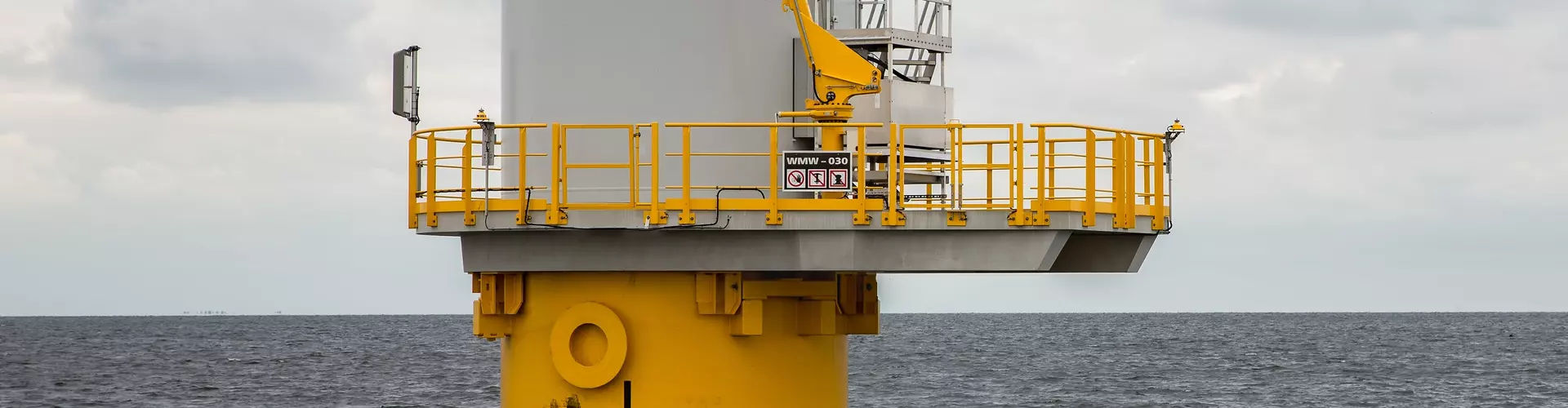
Marine Grade Aluminium is made and built so as to resist corrosion by salt water and humidity. It is a light alloy that has structural integrity, and this is why the alloy is the most effective to erect ships, docks and offshore platforms. Strength without bulk matters here. Its weldability and low maintenance appeal to engineers seeking performance without constant repairs or coatings.
Industrial Applications of Perforation
Ventilation, filtration, and visual design often require controlled openings in metal. GI Perforated Sheet solutions deliver strength along with airflow and precision. Galvanized coating will provide resistance to corrosion and therefore increase the service life in the factory and other installations outdoors. Such sheets are used in machinery guards, acoustic panels, and architectural facades where versatile design requirements are considered.
Design Flexibility and Fabrication Ease
Both aluminium alloys and galvanized perforated sheets adapt easily to fabrication processes. Cutting, bending, and shaping remain efficient without compromising strength. Designers appreciate the freedom to customize dimensions and patterns. Fabricators value consistency and reduced waste. Flexibility saves time. It also saves budgets. Good materials quietly simplify complex industrial workflows.
Long Term Value Over Cost
Initial material cost often distracts from lifecycle value. Durable metals reduce maintenance, replacement, and operational disruptions. Aluminum alloys and galvanized sheets perform longer under stress, making them economical over time. Projects benefit from predictable performance and fewer failures. Reliability builds trust. That trust becomes profit. Cheap materials rarely stay cheap for long.
Conclusion
Material selection defines how structures age, perform, and remain safe under pressure. Aluminium alloys and galvanized perforated solutions continue proving their worth across the marine and industrial sectors. dinco.ae Quality sourcing, correct specifications, and professional fabrication are important as they are equal to the material itself. Projects that are put in place using the right metals that have the right quality are long-lived, better and will require less maintenance.
check out our site for more details.


Comments
Post a Comment